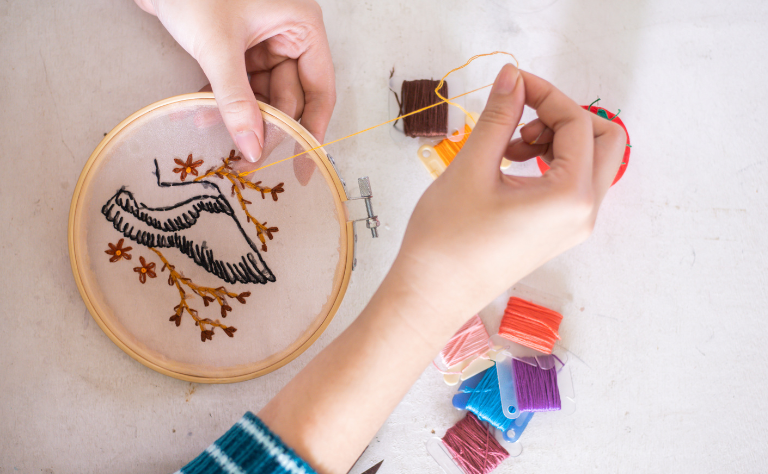

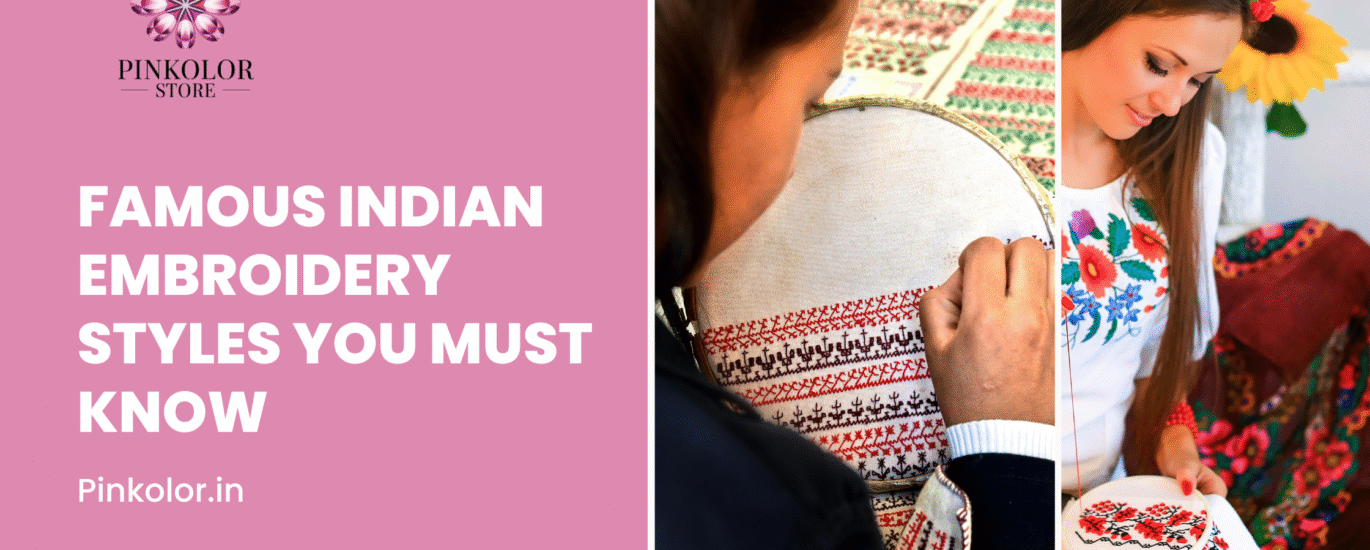
India’s cultural richness is not just embedded in its food, music, and festivals—but also in the threads that narrate centuries of stories. One of the most captivating art forms from India is embroidery, where fabric becomes a canvas for heritage, creativity, and identity. From royal court patterns to tribal designs, each Indian embroidery style reflects regional flair and artisanal legacy.
In this blog, we dive deep into the most famous Indian embroidery styles that every textile lover, fashion enthusiast, or curious soul must know. Whether you are a designer, buyer, or simply an admirer of handcrafted beauty, this guide brings you closer to the threads that bind India’s diverse traditions together.
And if you’re looking to bring these timeless designs into your wardrobe or home, Pinkolor Store offers a handpicked collection of embroidered wonders crafted by master artisans.
1. Chikankari – The Delicate Art of Lucknow
Origin: Lucknow, Uttar Pradesh
Fabric: Muslin, cotton, silk, chiffon
Notable Features: White thread embroidery on light pastel fabrics
Chikankari is perhaps the most elegant embroidery style India has to offer. Originally introduced by Mughal empress Noor Jahan, this craft involves delicate and intricate hand embroidery using white thread on soft fabrics. Patterns often include floral motifs and paisleys, rendered with over 40 different stitches such as bakhiya, phanda, and keel kangan.
Modern Adaptation: Chikankari is now fused into Western silhouettes—think tunics, shirts, dresses, and even bridal lehengas.
Find at Pinkolor: Soft cotton kurtas, dupattas, and sarees in pastel hues with authentic hand-done Chikankari.
2. Phulkari – The Garden of Punjab
Origin: Punjab
Fabric: Georgette, cotton, khaddar
Notable Features: Vibrant floral patterns in bright colors using silk threads
Meaning “flower work,” Phulkari is a traditional embroidery form that uses bold floral motifs to symbolize prosperity. Done by women of Punjab, it’s an emotional expression—often woven into shawls gifted during weddings and festivals.
Stitches: Darning stitch is most commonly used on the reverse side to create the pattern on the front.
Find at Pinkolor: Eye-catching Phulkari dupattas, jackets, and stoles—perfect to elevate ethnic or fusion looks.
3. Zardozi – The Royal Sparkle
Origin: Persia, brought to India during the Mughal era
Fabric: Velvet, silk, satin
Notable Features: Metallic threads, pearls, sequins, and stones
Zardozi means “gold embroidery” and is one of the most opulent embroidery forms. It involves metallic threads, sometimes real gold or silver, intricately sewn into heavy fabrics, traditionally worn by royalty.
Crafting Zardozi: Artisans use a hooked needle (aari) to create detailed motifs of flowers, birds, and geometric patterns.
Find at Pinkolor: Grand Zardozi clutches, blouses, and lehengas for bridal and festive wear.
4. Kantha – The Running Thread of Bengal
Origin: West Bengal and Bangladesh
Fabric: Cotton, silk
Notable Features: Running stitch forming motifs like animals, flowers, daily life
Kantha originated as a recycling art where old saris and cloths were layered and stitched to create quilts. Today, it’s a sought-after embroidery style used in fashion and home décor alike.
Motifs: Fish, birds, elephants, and folk tales often form the base of Kantha patterns.
Find at Pinkolor: Kantha-embroidered sarees, cushion covers, and boho jackets that carry a story in every thread.
5. Kutch Embroidery – The Mirror Magic of Gujarat
Origin: Kutch, Gujarat
Fabric: Cotton
Notable Features: Bold colors, mirror work, symmetrical patterns
Kutch embroidery is famous for its dazzling use of mirror work (abhla), geometric precision, and vibrant color palettes. Practiced by tribal communities like Rabaris and Ahirs, it’s both decorative and spiritual in nature.
Techniques: Use of chain, buttonhole, herringbone, and satin stitches.
Find at Pinkolor: Statement blouses, sling bags, and skirts with authentic Kutch vibes.
6. Kashida – The Emblem of Kashmir
Origin: Kashmir
Fabric: Wool, silk, cotton
Notable Features: Nature-inspired motifs—chinar leaves, birds, trees
Kashida or Kashmiri embroidery reflects the breathtaking beauty of Kashmir. It’s usually done with minimal colors but detailed stitchwork that often covers large surfaces like shawls and pherans.
Style Insight: Often used in Pashmina shawls, giving warmth and aesthetic charm.
Find at Pinkolor: Exquisite shawls and woolen stoles embroidered with traditional Kashida for winter elegance.
7. Aari Work – Precision with a Hook
Origin: Rajasthan & Gujarat
Fabric: Silk, velvet, cotton
Notable Features: Fine chain stitches, beads, sequins
Aari embroidery uses a hooked needle that creates tight chain stitches, allowing for complex floral and paisley patterns. Popular in bridal wear, this style combines elegance with intricacy.
Application: Extensively used in lehengas, dupattas, and cushion covers.
Find at Pinkolor: Wedding-ready pieces with rich Aari work—made to dazzle.
8. Banjara Embroidery – Nomadic Vibrance
Origin: Andhra Pradesh, Telangana, Maharashtra
Fabric: Thick cotton
Notable Features: Bold colors, patchwork, mirror work, cowries
This tribal embroidery from the Banjara community features wild, free-flowing creativity. It often incorporates patchwork, tassels, and recycled materials in stunning, layered compositions.
Modern Revival: Banjara embroidery is now popular in bags, boho skirts, belts, and home décor.
Find at Pinkolor: Embroidered bags, gypsy skirts, and wall hangings bursting with nomadic charm.
9. Sujani Embroidery – Bihar’s Quilted Legacy
Origin: Bihar
Fabric: Cotton
Notable Features: Running stitches forming folk scenes and social themes
Sujani is both art and activism—many designs convey women’s empowerment, rural life, and mythology. Originally used to make baby quilts, this embroidery now adorns sarees, bedspreads, and more.
Find at Pinkolor: Sarees and dupattas with meaningful Sujani motifs—a blend of storytelling and design.
10. Toda Embroidery – The Tribal Geometry of Nilgiris
Origin: Tamil Nadu (Toda Tribe)
Fabric: Wool or coarse cotton
Notable Features: Red and black geometric designs on white base
Practiced by the Toda tribe of Tamil Nadu, this embroidery is traditionally done on cloaks called pootkhulh. It uses reverse stitching techniques to create intricate geometric and symbolic patterns.
Cultural Significance: Each motif carries meaning—representing nature, animals, or tribal beliefs.
Find at Pinkolor: Unique shawls and scarves with authentic Toda detailing.
Why Indian Embroidery is More Than Just Art
Each stitch tells a story. Indian embroidery forms a vital part of:
- Cultural identity: Passed down generations as heirlooms and heritage.
- Sustainable fashion: Handcrafted and often upcycled materials.
- Economic empowerment: Supports women artisans and rural communities.
- Design inspiration: Influences global fashion houses and contemporary trends.
Pinkolor Store: Celebrating Indian Embroidery
At Pinkolor Store, we don’t just sell products—we curate stories in thread. Every piece is ethically sourced, crafted by artisans, and chosen to help you celebrate India’s embroidery legacy with style and substance.
Shop With Us For:
✅ Handpicked handcrafted products
✅ Sustainable and slow fashion
✅ Exclusive designs not mass-produced
✅ Supporting artisan communities
From breezy Chikankari kurtas to boho Banjara bags, and regal Zardozi clutches, you’ll find something uniquely you at Pinkolor Store.
👉 Explore the collection now at Pinkolor Store Website
FAQs About Indian Embroidery
Q1. Which is the oldest embroidery style in India?
Answer: Chikankari and Zardozi are among the oldest, with Mughal origins dating back to the 16th century.
Q2. What is the most expensive Indian embroidery?
Answer: Zardozi, due to the use of metallic threads and embellishments, is often the most luxurious and expensive.
Q3. Can Indian embroidery be worn with Western outfits?
Answer: Absolutely. Embroidered jackets, bags, and accessories pair beautifully with Western wear for a fusion look.
Q4. How do I take care of embroidered clothes?
Answer: Hand wash or dry clean only. Avoid machine washing, and iron on reverse side to preserve the embroidery.
Q5. Where can I buy authentic Indian embroidered pieces?
Answer: Pinkolor Store offers curated, authentic pieces directly sourced from artisan communities.
Final Threads
India’s embroidery traditions are as varied as its languages and landscapes. Each stitch binds together generations, creativity, and identity. Whether you’re looking to wear, gift, or decorate your space with embroidered art, there’s something magical about owning a piece that carries soul and story.
For the finest selection of Indian embroidered masterpieces, handcrafted with love and legacy, visit Pinkolor Store—where every thread counts.